





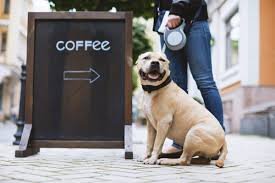
A vet has urged pet-friendly cafes in London to carry out one 30-second task every day to help reduce guest dog’s chance of developing a serious kidney disease, and to avoid communal water bowls.
Dr Emma Chandley, a vet working with pet insurance brand Petgevity, said you have to wash your dog’s bowl daily – and avoid shared bowls.
Many owners don’t realise they need to since water bowls look clean. If you leave it, or only lightly rinse, a slimy bacterial layer called ‘biofilm’ quickly builds up inside, posing a risk to your dog’s health.
Dr Emma said: “I advise that owners wash their dog’s water bowl daily. Rinse thoroughly in hot soapy water – scrubbing inside and out for around 30 seconds – ensuring all residue is gone. Leave to air dry or wipe with a clean towel.
“This is because stagnant water bowls can harbour bacteria and environmental contaminants. In most healthy dogs, this will not lead to kidney damage, but repeated exposure to harmful bacteria could increase the risk of gastrointestinal illness or, in rare cases, ascending infections. Severe kidney infections, if left untreated, have the potential to cause longer-term renal damage.
“Chronic Kidney Disease (CKD) itself is a progressive condition in which the kidneys gradually lose their ability to filter waste products effectively.”
Awareness of CKD is key because the physical and behavioural symptoms aren’t always apparent. Dr Emma said: “Early signs can be hard to spot. Increased thirst and urination are common but can develop gradually so they may be overlooked. Some dogs lose weight slowly, are quieter than usual or seem slightly nauseous, which might present as lip licking or reduced appetite. As the disease advances, vomiting, lethargy, muscle loss and poor coat quality may become more obvious.”
Some dogs are more prone than others – it depends on their health history. Dr Emma said: “Certain pre-existing conditions in dogs can increase the risk of developing CKD. These include chronic kidney infections, congenital kidney abnormalities, prolonged untreated dental disease, hypertension and endocrine disorders such as Cushing’s disease. If you have an older dog, age is also a significant factor, as kidney efficiency naturally declines over time. It’s worth checking whether your pet insurance covers pre-existing conditions – many standard policies don’t.”